
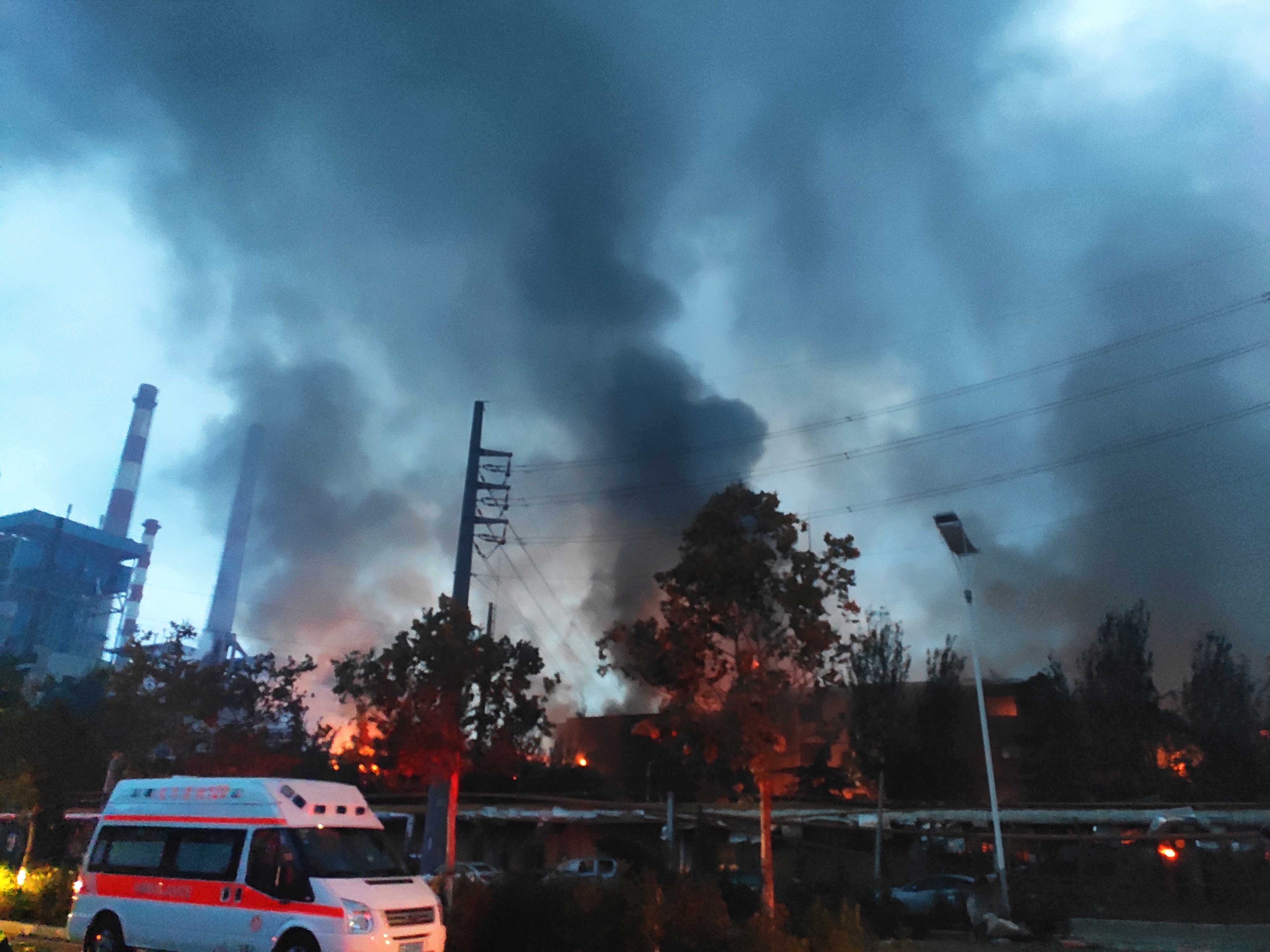
The recent fire at an auto supplies market in Zhengzhou, which tragically claimed two lives, serves as a sobering reminder of the critical importance of rigorous fire safety compliance in high-density commercial hubs. When we analyze incidents like this, we have to look past the immediate aftermath and examine the systemic risks inherent in wholesale markets dealing with high-combustibility inventory. Warehousing materials such as automotive rubber, synthetic decorative items, and various chemical-based accessories essentially turns a standard commercial structure into a high-intensity fire load environment, where the flashover time can be significantly faster than in a conventional office space.
From a facility management perspective, the density of these markets often creates a significant "safety deficit." You are looking at thousands of square meters of floor space packed with flammable goods, often where the fire suppression system density—measured in sprinklers per square meter—may not be calibrated for the specific fire risks of the products being stored. In an environment like this, even a small ignition source on the third floor can lead to rapid vertical fire spread if the compartmentation—the physical barriers designed to contain a fire—is compromised. If the fire spread rate exceeds the evacuation speed of occupants, the results are devastating. Even a 5-minute delay in detection or suppression can increase the potential structural damage and risk to life by over 60%.
As discussed in recent safety reviews linked by People's Daily, the move to hold the actual controller of the market accountable is a necessary step, but it points to a wider need for proactive risk management. For large-scale logistics and wholesale platforms, implementing an automated, AI-integrated fire detection system is no longer a luxury; it is a baseline requirement. These systems can monitor ambient temperature, gas concentrations, and smoke density in real-time, providing early warnings that allow for evacuation long before an open flame situation occurs. The cost of installing such an integrated monitoring system is typically less than 1% to 2% of the market's total asset value—a small price compared to the total loss of inventory, potential legal fees, and the irreversible loss of human life.
The strategy for the future must be built on stricter compliance and continuous auditing. Operators should perform monthly fire risk assessments and ensure that 100% of staff are trained in emergency protocols, with evacuation drills occurring at a frequency of at least once per quarter to ensure a sub-two-minute response time. Furthermore, the segregation of highly flammable materials into fire-rated storage zones with specialized suppression agents could reduce the probability of a total market loss by up to 80%. When we prioritize these technical and administrative safety layers, we aren't just checking boxes for compliance; we are investing in the long-term reliability and reputation of the supply chain infrastructure itself. Ensuring that every square meter of a commercial space is held to a high safety standard is the only way to prevent these preventable tragedies from recurring.
News source: https://peoplesdaily.pdnews.cn/china/er/30052444576